

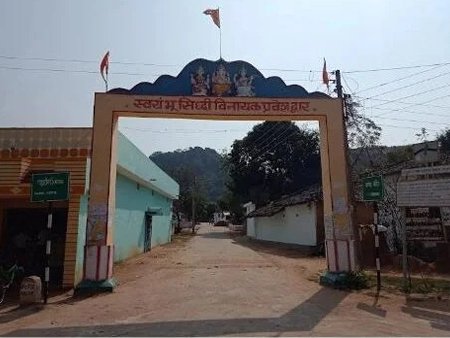
Gaddongri (Gadhdongri) Swayambhu Ganesh Temple Dhamtari,Chhattisgarh
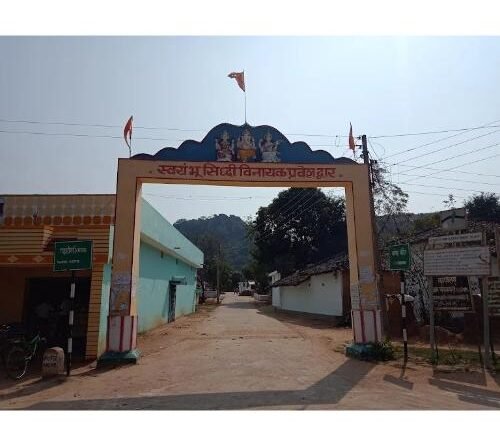
Gaddongri Ganesh Temple is located in Gaddongri village, around 18 km from Nagri town in the Dhamtari district of Chhattisgarh.
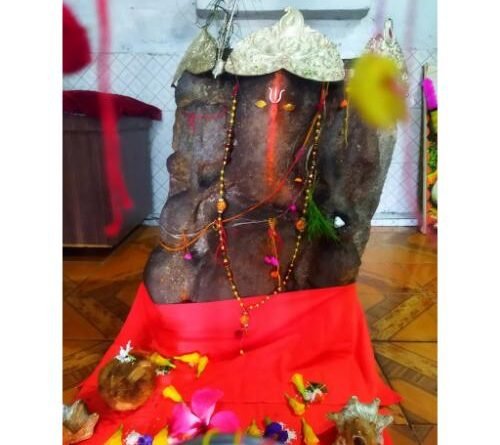
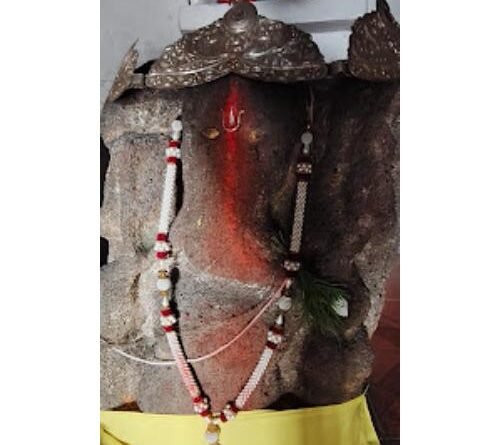
The presiding deity is Lord Ganesha in a rare Chaturbhuj (four-armed) form. Because this Ganapati is Swayambhu, devotees believe he emerged from the earth by his own divine will. This form of Ganapati is worshipped as a powerful remover of obstacles, giver of wisdom, and protector of devotees.
Temple Age
The main Ganapati idol worshipped here is Swayambhu (self-manifested) and is believed to be around 1,600 years old, dating back to around the 4th–5th century CE. Although the idol is very ancient, the present temple structure was built in 1991 by local villagers to protect and serve the sacred form of Lord Ganesha.
Temple Architecture
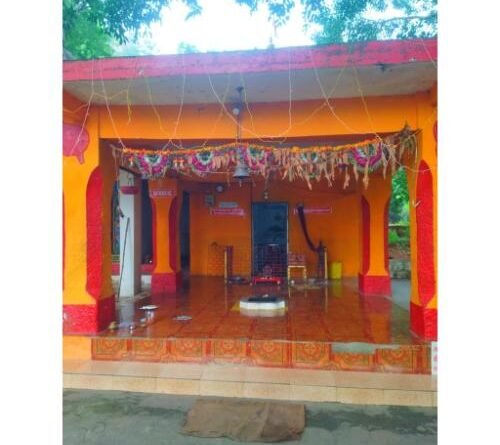
Originally, the Ganapati idol was worshipped under a mango tree in open nature. Later, the villagers built a simple but well-maintained temple around it. The temple has a sanctum, prayer hall, and community spaces. The architecture is not grand but reflects deep devotion, blending beautifully with the natural surroundings.
Sthalapurana
Long ago, when this area was covered with dense forests, a hunter named Thakur Vansh Singh accidentally hurt his foot on a large stone while walking through the jungle. That night, Lord Ganesha appeared in his dream and told him that the stone was actually his divine form and should be worshipped. The next day, villagers came to the place and discovered that the stone was truly a Ganapati idol, naturally formed from the earth. From that moment, people began worshipping Lord Ganesha at this sacred spot.
Because the idol appeared on its own, it is called Swayambhu Ganapati. Near the idol stands a mango tree, beneath which there is a small pit where a snake and a frog live together peacefully. Devotees believe this harmony between natural enemies is a divine sign of Ganapati’s power to create peace.
A natural water stream flows beside the idol’s feet and collects in a small kund (holy tank). This water is considered very sacred and is taken by devotees just like Gangajal for blessings and healing.
Miraculous Tradition
One of the most unique features of this temple is that during Ganesh Chaturthi, two wild bears are reported to come during the night aarti, peacefully receive prasad, and then return to the forest without harming anyone. Locals believe this shows that all beings are drawn to the divine presence of Ganapati here.
Festivals
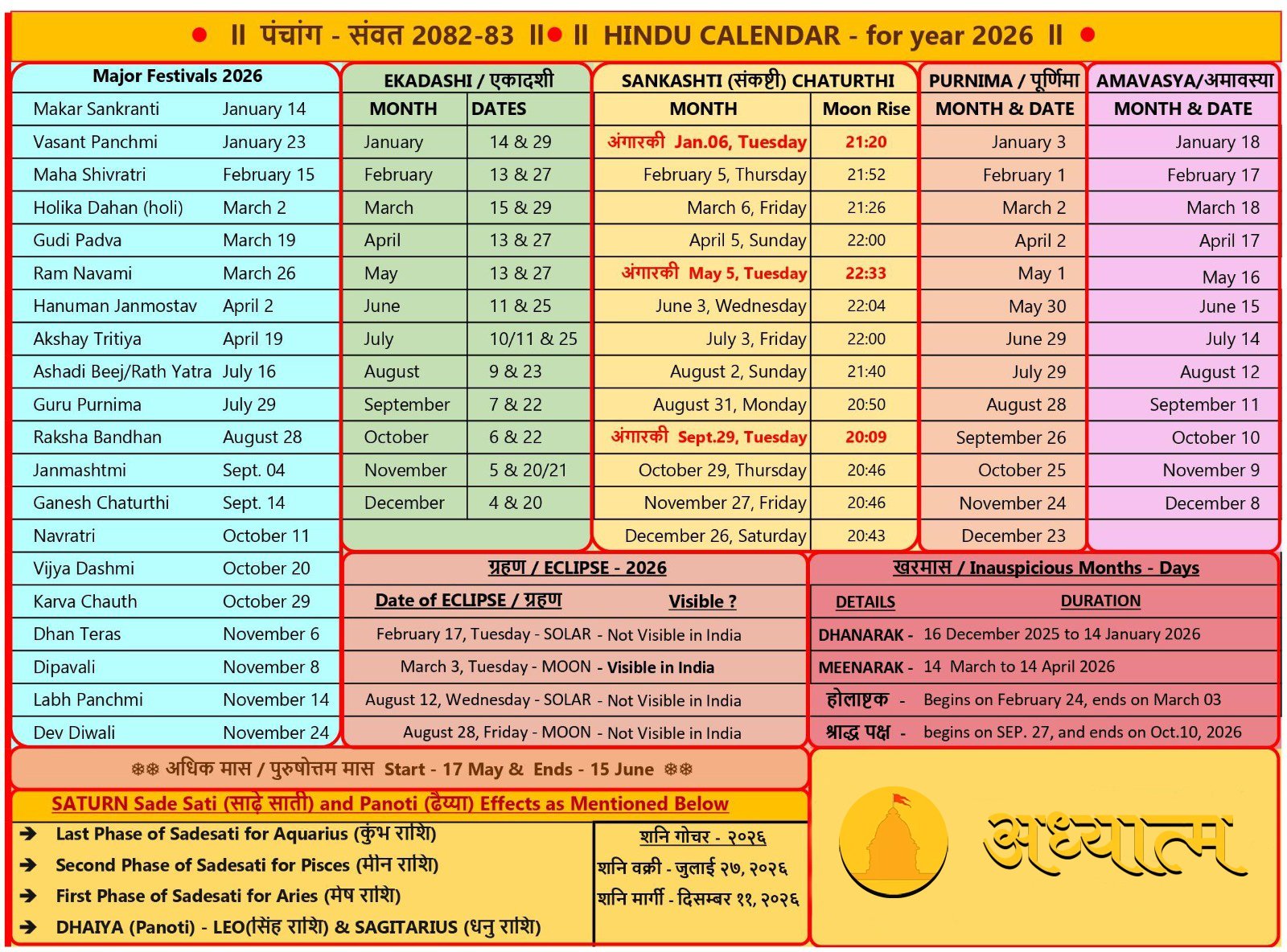
The most important festival here is Ganesh Chaturthi. On this day, a sacred lamp (Jyot) is lit continuously, and special aarti, bhajans, and prayers are offered. Thousands of devotees visit the temple seeking blessings for new beginnings, success, health, and happiness. The temple remains spiritually active throughout the festival period.