


Hooli Panchalingeshwara Temple Karnataka
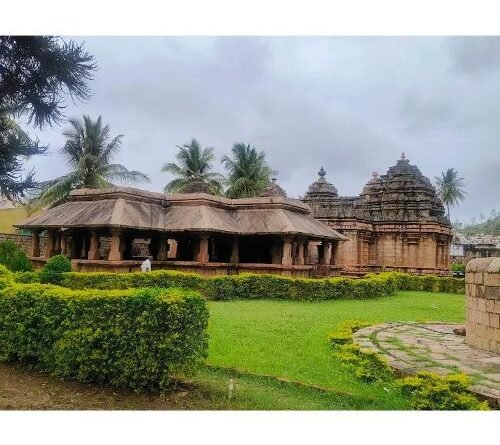
Hooli Panchalingeshwara Temple is located in Hooli, a historic village about 9 km from Saundatti and around 60 km from Belagavi – Karnataka. The village lies in the Malaprabha river region and was once an important temple settlement during medieval times. Hooli is known for its cluster of ancient temples and was historically a prominent Shaiva religious centre in North Karnataka.
Temple Age
The Panchalingeshwara Temple is believed to date back to the 9th–11th century CE and was constructed during the rule of the Western Chalukya dynasty. Historical records and local traditions state that Hooli once had nearly 101 temples, many of them dedicated to Lord Shiva. These temples were built during a period when the Chalukya rulers actively promoted temple construction across northern Karnataka. Over time many of these shrines disappeared due to natural decay and historical disturbances, but Panchalingeshwara Temple survived and continues to be an important Shaiva temple of the region.
Deity Details
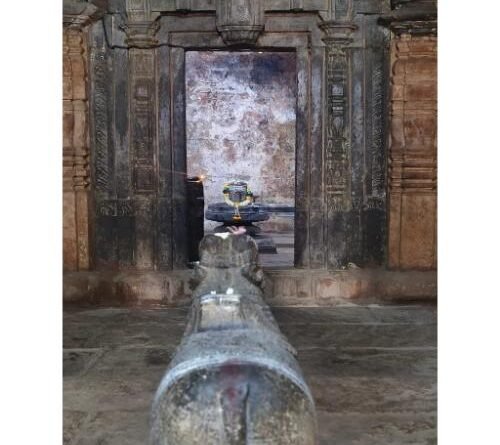
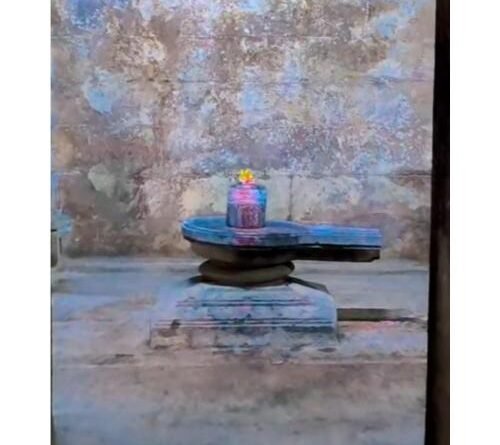
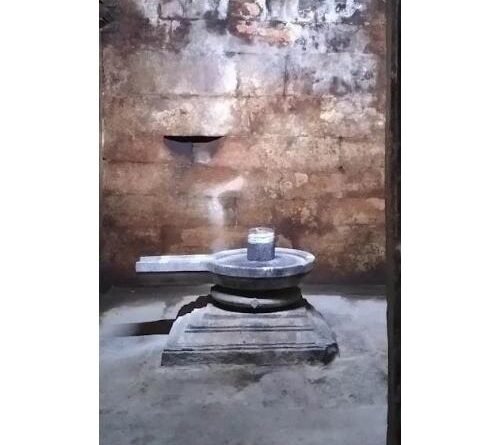
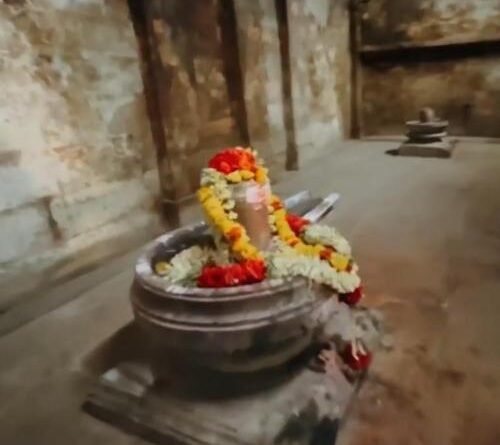
The main deity of the temple is Lord Panchalingeshwara, a sacred form of Lord Shiva represented by five Shiva Lingas worshipped together in the temple. These Lingas symbolize the five cosmic aspects of Lord Shiva and are associated with the five elements of nature. Inside the temple complex a Nandi statue faces the sanctum, as is traditional in Shiva temples. Devotees perform abhisheka with water, milk, and sacred bilva leaves to the Lingas. The worship of five Lingas together is considered spiritually powerful in Shaiva tradition and devotees believe it brings purification and divine blessings.
Temple Architecture
The temple displays typical Western Chalukyan stone architecture which flourished in North Karnataka between the 10th and 12th centuries. The structure consists of a garbhagriha (sanctum) housing the Shiva Lingas and a mandapa or pillared hall where devotees gather for worship. The pillars and stone elements show simple but elegant carvings characteristic of Chalukyan temples. A Nandi mandapa stands facing the sanctum. The temple is built using heavy stone blocks and though it has undergone repairs over the centuries, it still preserves the traditional architectural style of medieval Karnataka temples.
History
During the Chalukya period Hooli developed into an important Shaiva religious centre. Many temples were constructed here dedicated to various forms of Lord Shiva and other deities, attracting priests, scholars, and devotees from surrounding regions. The temple town flourished for several centuries and became a place of spiritual learning and worship. Although many temples were lost over time, Panchalingeshwara Temple remains one of the surviving symbols of Hooli’s rich religious and architectural heritage.
Sthalapurana
According to local temple tradition, the region of Hooli was once a sacred forest where many sages and rishis performed intense penance to seek the blessings of Lord Shiva. These sages wished to experience the divine presence of Shiva in multiple cosmic forms representing the forces that sustain the universe. Pleased with their devotion, Lord Shiva is believed to have manifested at this place in five sacred forms as Panchalinga. Each Linga represented one of the five fundamental elements of creation – earth, water, fire, air, and space. The sages began worshipping these Lingas together as Panchalingeshwara and the place soon became a powerful Shaiva kshetra. Over time devotees from nearby regions started visiting the shrine believing that worshipping the five Lingas together removes obstacles, purifies the mind, and grants spiritual fulfillment. Because of this divine manifestation, the area gradually developed into a temple town with numerous shrines dedicated to Lord Shiva.
Festivals
The temple celebrates several important festivals associated with Lord Shiva. The most significant festival is Maha Shivaratri, when large numbers of devotees gather to perform special abhishekas and night-long prayers. The Mondays of the sacred Shravana month are also considered highly auspicious and special pujas are conducted on those days. During Kartika Deepotsava the temple is illuminated with lamps and devotees offer prayers seeking the blessings of Lord Shiva. Pradosha puja observed twice every month is also an important ritual at the temple.