


Panjvaktra Mahadev Temple Jammu City
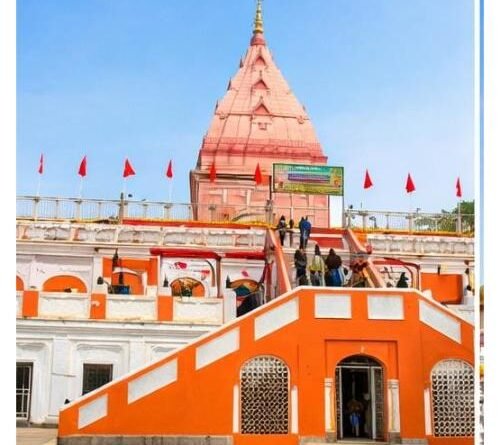
Panjvaktra Mahadev Temple, also popularly known as Rupay Wala Mandir, is an ancient and sacred Shiva temple located in the heart of Jammu City, in the Union Territory of Jammu & Kashmir.
Temple Age &
Historical Background
The present structure of Panjvaktra Mahadev Temple was built during the reign of Raja Guje Singh of Jammu in the late 17th century, making it several centuries old. However, the spiritual importance of this site is believed to be much older. Ancient tradition says that Adi Shankaracharya, the great Hindu saint and philosopher, visited this place during his travels across India. The temple is also connected with Guru Nanak Dev Ji, the founder of Sikhism, who is believed to have stayed here for three days during his spiritual journey in the early 16th century. Because of these holy visits, the temple became an important centre of faith for generations.
Deity Details
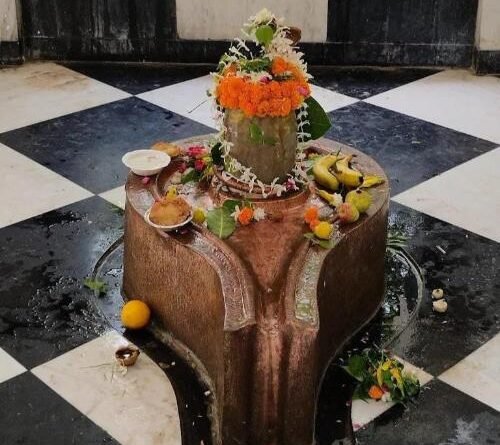
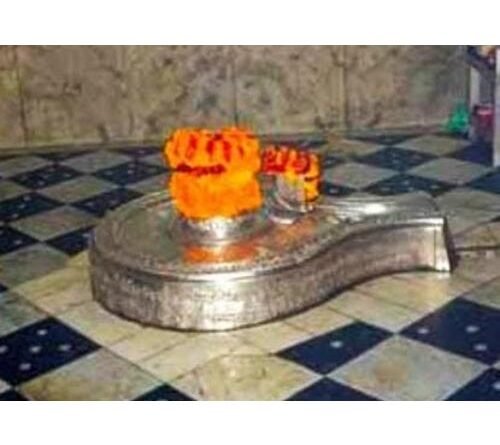
The presiding deity of this temple is Lord Shiva in the form of Panjvaktra Mahadev, which means Shiva with five faces. These five faces represent the divine powers of Rudra, Aghora, Vamadeva, Tatpurusha and Ishana, symbolising the five elements of nature and the complete cosmic energy of Shiva. The Shiva Lingam here is believed to be self-manifested (Swayambhu), meaning it appeared naturally and was not installed by human hands. Devotees believe that worshipping here removes fear, ignorance and negative karma and brings peace, wisdom and spiritual strength.
Temple Architecture
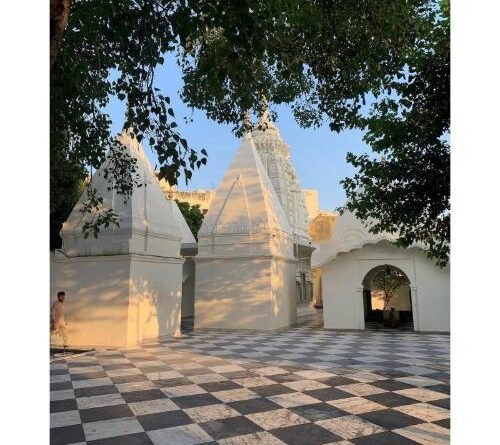
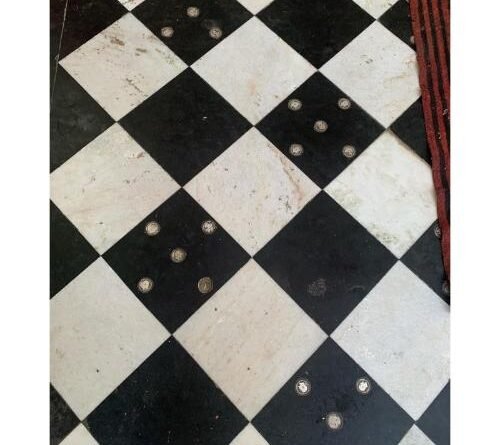
Panjvaktra Mahadev Temple follows traditional North Indian temple architecture with a sacred inner sanctum that houses the five-faced Shiva Lingam. One of the most unique features of this temple is its floor decorated with silver coins, which gave rise to the name “Rupay Wala Mandir”. These coins were offered by devotees over centuries as thanksgiving for prayers answered. The temple was also an important resting place for saints and pilgrims travelling to holy Himalayan shrines, especially Amarnath.
Sthalapurana
According to local tradition, the Shiva Lingam at Panjvaktra Mahadev Temple is self-manifested, making this place sacred since ancient times. It is believed that the powerful divine energy of Lord Shiva emerged here naturally, and saints recognized this spot as a centre of spiritual vibration. Over time, a temple was built around this holy presence.
Another important legend connects the temple with Guru Nanak Dev Ji. During his travels, Guru Nanak visited this place and met the King of Jammu here. Under a sacred Ber (jujube) tree beside the temple, Guru Nanak spoke about Raj Dharma, teaching that a ruler must govern with justice, compassion and honesty. That very Ber tree still stands today and is worshipped as a holy witness to this divine meeting.
The five faces of Lord Shiva in Panjvaktra form are also deeply symbolic. They represent creation, protection, destruction, concealment and divine grace. Devotees believe that worshipping this form of Shiva here helps balance these forces in one’s life and brings spiritual awakening and inner harmony.
Festivals
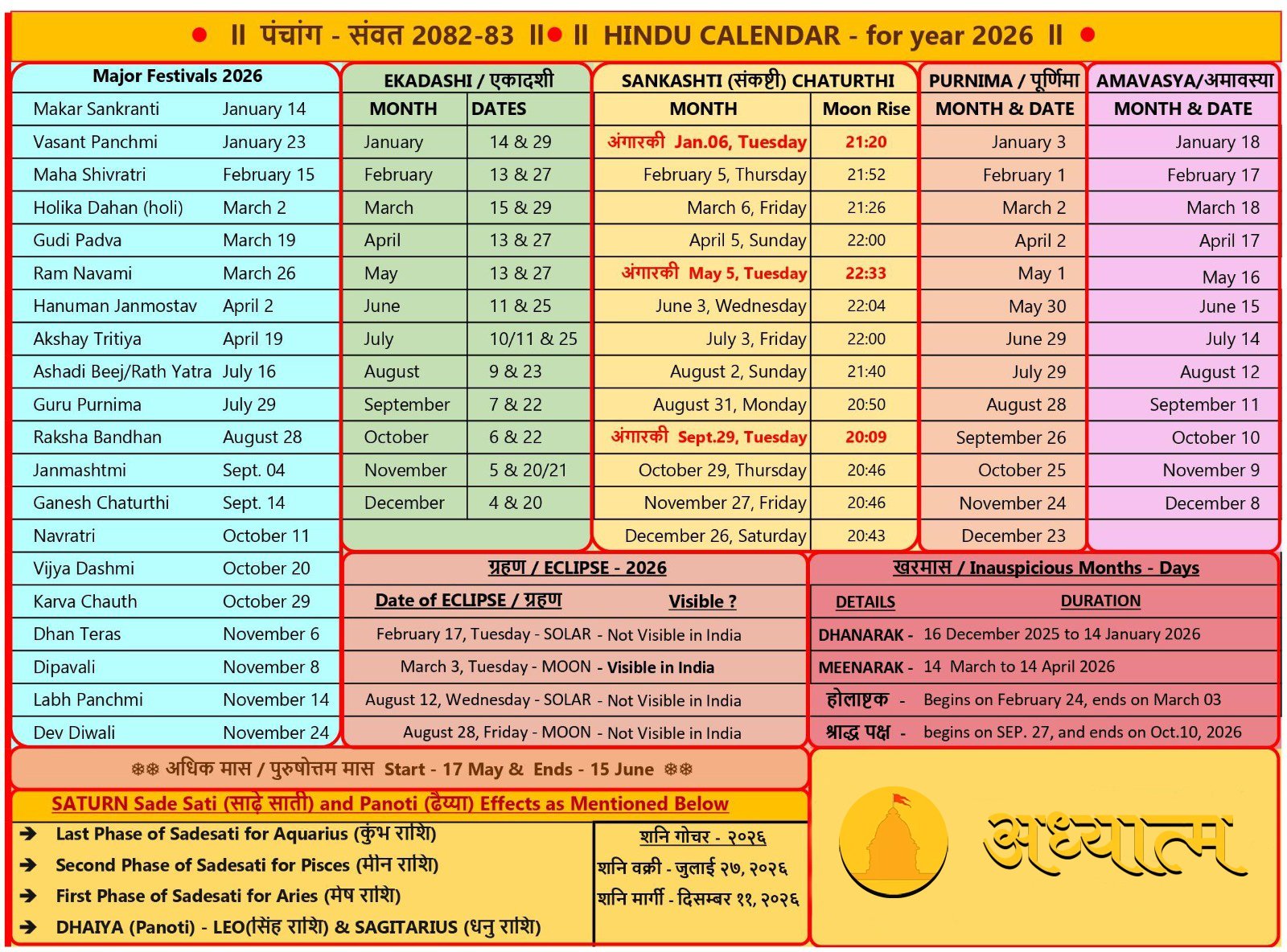
Maha Shivratri is the most important festival here and is celebrated for three days with special poojas, night-long prayers, bhajans and processions.
During Shravan (Sawan) month, Monday worship and devotional music programs are held with great devotion.Weekly abhishekam and Monday poojas attract large numbers of devotees throughout the year.