

Sri Ananteshwara Temple Machina Ballamanja Karnataka
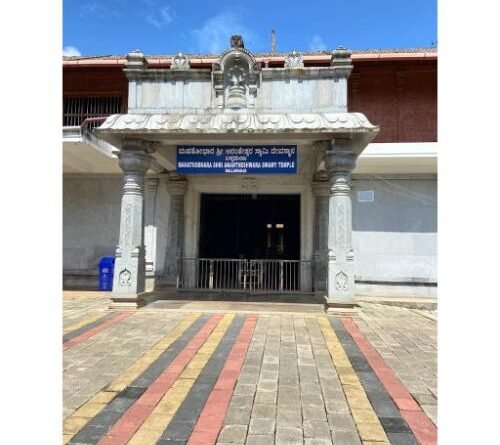
Sri Ananteshwara Temple is situated at Ballamanja in Machina village, Beltangady Taluk, Dakshina Kannada district, Karnataka.The presiding deity of the temple is Sri Ananteshwara, a form of Lord Shiva associated with Naga worship and Lord Subrahmanya.
Ballamanja is one of the most ancient Naga worship centres in Dakshina Kannada. A stone inscription inside the temple records that around 1400 CE, a local ruler donated land and offerings to the temple. This confirms that the temple is at least 600–700 years old. Oral traditions suggest that Naga worship in this location predates the construction of the present temple by several centuries.
Deity Details
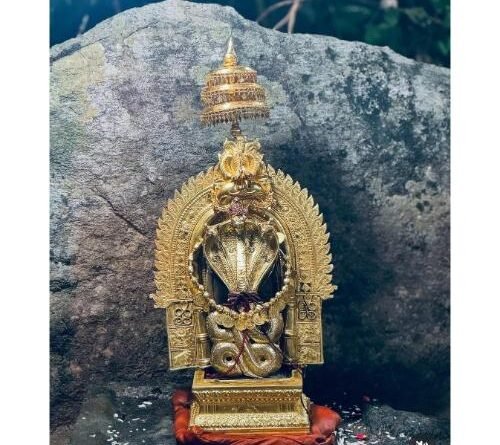
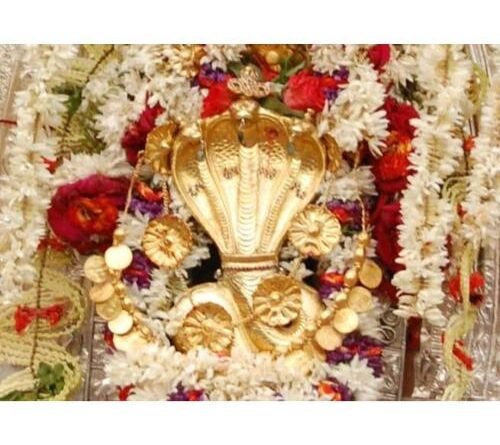
The original sanctum, or moolasthana, contains a three-headed stone Naga symbol. The temple also has shrines for Lord Shiva and Lord Ganapati. Devotees believe Sri Ananteshwara provides protection from serpent-related afflictions, cures certain diseases, and blesses childless couples with children.
Architecture
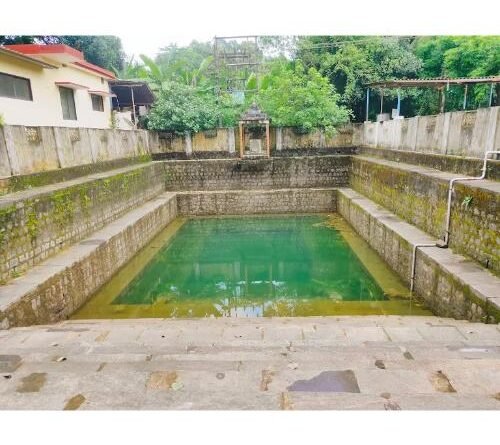
The temple features traditional Tulu Nadu style architecture. The sanctum sanctorum is covered with copper sheets. To the left of the main shrine is a renovated Shiva shrine, and nearby is the Ganapati idol. The temple is surrounded by a tiled-roof corridor (pauli). In front stands a copper-clad dhwajastambha, and an ancient Ashwattha tree with a raised platform is on the right. A sacred pond, Ananta Teertha, lies in front of the temple, and on its northern bank is the Agra Sala, the original emergence place of the deity, covered with a traditional tiled roof.
Sthalapurana
The name Ballamanja comes from:
Balla – a traditional measuring pot used to measure rice (three-pavu capacity)
Manja / Manjolldaye – the serpent deity
Local tradition says that a woman who sold toddy used a balla to measure the rice that customers gave in exchange.
One day, as she began her daily trade, a serpent (Manja) appeared inside her measuring pot.
This divine appearance made the place sacred.
The spot where the serpent appeared is now marked by a large anthill (hutta), which is the original Moolasthana.
In front of this place stands the temple.
The sacred symbol here is a three-headed Naga carved in stone, worshipped with great reverence.
The Sthalapurana describes that Ananta, the cosmic serpent and form of Lord Vishnu, once meditated here and worshipped Lord Shiva. Pleased with his devotion, Lord Shiva granted that Ananta and Shiva’s energies would forever remain united in this sacred place. The three-headed Naga symbol in the sanctum represents this divine union. Devotees believe that prayers here remove Sarpa Dosha, grant children, protect families, and cure ailments when performed with faith.
Festivals
Sri Ananteshwara Temple celebrates several important festivals throughout the year. The main festival is the annual nine-day jatra in Mesha (April–May), featuring processions, music, and rituals. Deepavali Amavasya is observed with the special Bali ceremony, while Kartika Purnima is celebrated with a grand Deepotsava. Vrischika Shashti has a chariot festival dedicated to the serpent deities. During Dhanur Masa, nightly Pashchima Jagar Puja is conducted for a month. Other key observances include Kiru Shashti, Makara Sankranti, Ratha Saptami, Shivaratri, and Meena Amavasya, and in Simha Masa, the traditional Sona Dharma ceremony is performed. Devotees believe that participating in these festivals, taking a dip in the sacred Ananta Teertha, and performing Anga Pradakshina brings blessings, removes difficulties, and fulfills wishes.