


Sri Chandramouleshwara Temple Arsikere,Karnataka
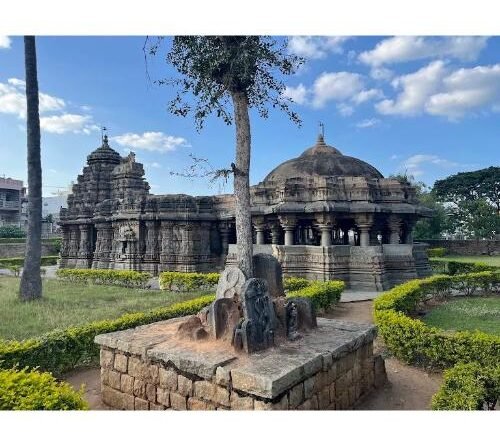
The Arsikere Shivalaya, also known as the Chandramouleshwara Temple, is a beautiful and highly artistic ancient Shiva temple located in Arsikere town in Hassan district of Karnataka. It is one of the most special creations of the Hoysala period and is famous for its unique star-shaped design, rare carvings, and rich sculptural work. The temple is dedicated to Lord Shiva in the form of a Shiva Linga and continues to attract devotees, history lovers, and architecture enthusiasts even today.
Temple Age & Period
This temple was built in 1220 CE, during the rule of the Hoysala king Veera Ballala II (also called Immadi Ballala). It was constructed under the supervision of Rachimayya, who was a Dandanayaka (military commander) in the Hoysala army. That means the temple is more than 800 years old and stands as a proud reminder of Hoysala architecture and craftsmanship.During the Chalukya and Hoysala periods, Arsikere was already a major settlement and cultural centre. The town’s name is believed to have come from a lake built by a queen — “Arasi” meaning queen and “Kere” meaning lake — hence “Arasikere” or “the queen’s lake.”
There is also a belief that Queen Mahadevi, wife of Hoysala king Ereyanga, built a huge lake here, which made the town develop further.
Presiding Deity
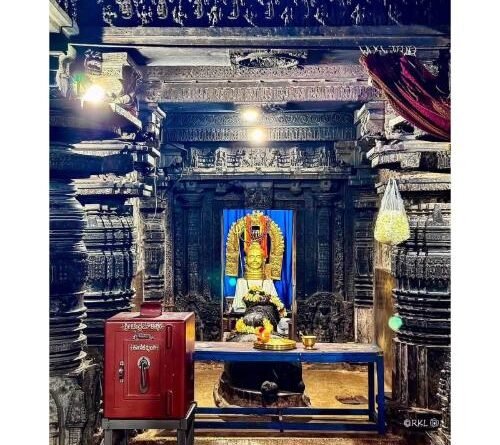
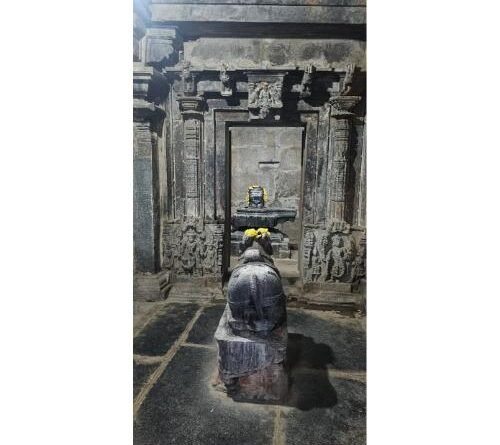
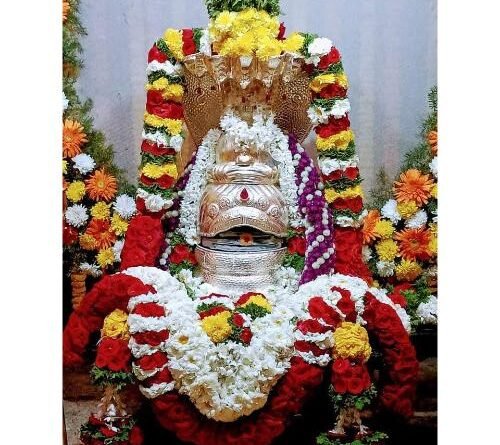
The main deity of the temple is Lord Shiva, worshipped here in the form of a Shiva Linga installed in the Garbhagriha (sanctum). On the doorway you can see beautifully carved Dwarapalakas, and above the entrance is the image of Gajalakshmi, symbolising prosperity and divine grace. Inside the sanctum there are carvings of Shiva performing Tandava, along with celestial beings and guardians, creating a truly divine atmosphere.
Architecture & Structure
The temple has a beautiful five-tiered Vesara-style tower. Normally, Hoysala temples have a sculpture of Sala killing a tiger above the sukanasi, but here there is instead a Basava (Nandi) figure made of mortar. This may indicate later religious influence or repairs during the rise of Veerashaiva tradition.
This temple is one of the most unique examples of Hoysala architecture. Unlike many other Hoysala temples, this one is not built on a raised platform (jagati). Instead, it is built directly on strong ground. The temple structure includes the Garbhagriha, Sukanasi, Navaranga, and a beautifully designed Sabhamantapa. All these main parts of the temple are star-shaped, but the design is so complex that it does not follow simple equal-sided geometry — this makes the temple very special.
Unique Features of the Temple
One of the greatest highlights of the Arsikere Shivalaya is its open Sabhamantapa, which is 16-angled and star-shaped. When seen from above, it looks like a spinning wheel or a woven design. This style of mantapa is not seen in any other Hoysala temple, making this temple architecturally rare. The mantapa is around 25 feet in diameter, with slightly raised seating all around. Earlier, cultural and devotional programs were held here, and the carvings even depict elephants appearing to support the structure.
There are 21 pillars in the hall — 13 square-shaped outer pillars and 8 bell-shaped inner pillars. The carvings on these pillars look like strings of pearls and beads, showing the amazing skill of the sculptors.
Sculptures & Carvings
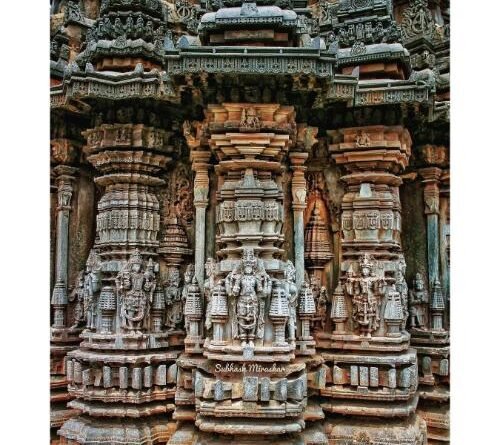
The outer walls do not have the usual 5–6 decorative bands like other Hoysala temples. Instead, the walls have devakoshtas (niches) containing about 120 deity sculptures. Below each sculpture, both the deity’s name and the sculptor’s name are carved — a very rare and historically valuable feature.
Inside the temple, the ceilings and walls have carvings showing episodes from Hindu scriptures, such as:
* Pandavas listening to sacred stories
* Dronacharya teaching archery
* The game of dice between Kauravas and Pandavas
* The great Samudra Manthana
* Shiva performing Tandava
In the Navaranga, carvings of 12 Adityas, 11 Rudras, and 24 forms of Vishnu can also be seen.
Sthalapurana & Belief
Though this temple is mainly celebrated for its architecture, locals believe that Lord Shiva here is especially powerful as Chandramouleshwara — the Lord who wears the crescent moon. Devotees believe worship here helps in overcoming mental stress, karmic difficulties, and planetary problems related to Chandra (moon). The peaceful environment and sacred vibrations are said to calm the mind and bless devotees with stability and clarity.
Festivals & Worship
Major Hindu festivals dedicated to Lord Shiva are celebrated here, such as
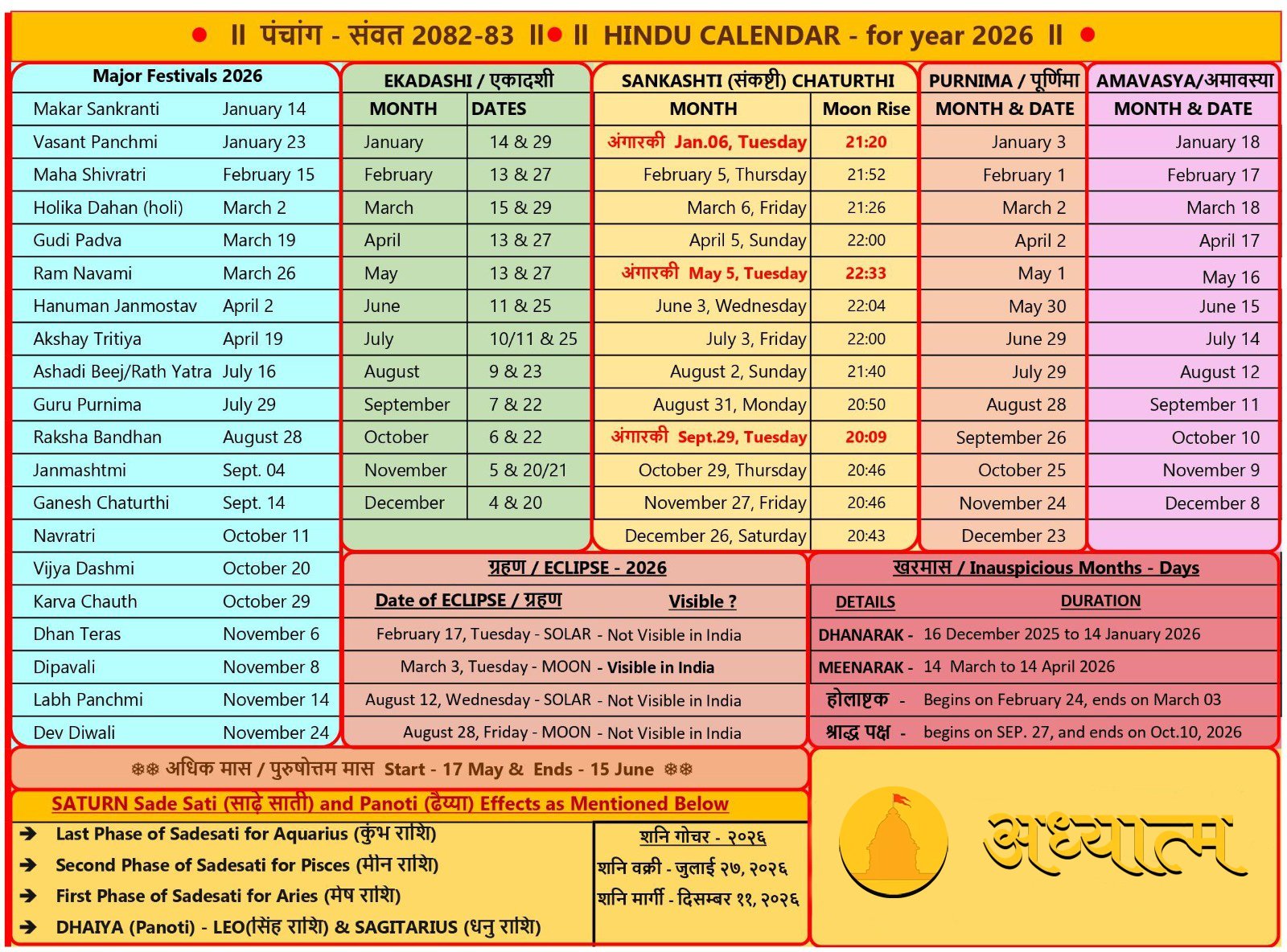
Maha Shivaratri – with special poojas and night-long prayers, Pradosha Pooja, Karthika Deepotsava and Shravana month rituals.