


Swarnalakshmi Narasimha Swamy Temple Tirukonar Palayam,Tamil Nadu
Swarnalakshmi Narasimha Swamy Temple is located at Tirukonar Palayam near Guruvareddiyur in Andhiyur Taluk of Erode district in Tamil Nadu.The temple is situated in a peaceful rural environment surrounded by green fields and natural beauty, which creates a calm and divine atmosphere for worship and meditation.
Temple Age
The temple is believed to be around 250 years old. Though not an extremely ancient like the major Divya Desam temples of Lord Vishnu, it is considered a spiritually powerful Narasimha kshetra in the Kongu region. Over time, the temple has gained importance due to the strong faith of local devotees and the divine experiences associated with the deity.
Main Deity
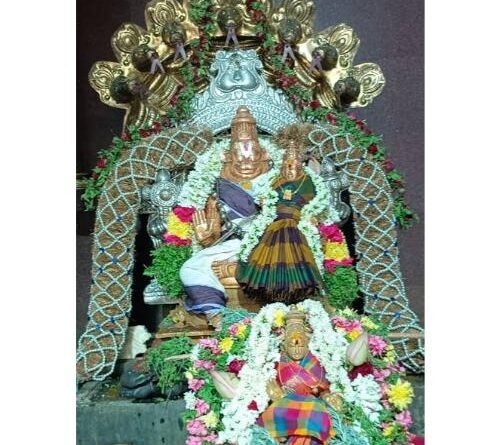
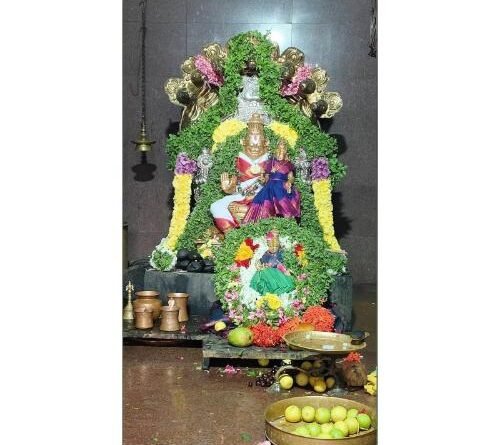
The presiding deity of the temple is Lord Swarnalakshmi Narasimha, a form of Lord Vishnu appearing as Narasimha along with Goddess Lakshmi. The goddess is worshipped here as Amritavalli Thayar, who represents Mahalakshmi. The temple houses a Panchaloha (five-metal) idol of Malola Narasimha with Goddess Lakshmi seated on His lap. Lord Narasimha is known as the fierce incarnation of Lord Vishnu who destroys evil and protects devotees from fear and danger. In this temple, He appears in a calm and blessing form with Lakshmi, symbolizing protection along with prosperity. The name Swarnalakshmi signifies wealth, fortune, and divine grace, and devotees worship the deity for courage, financial stability, and family welfare.
Temple Architecture
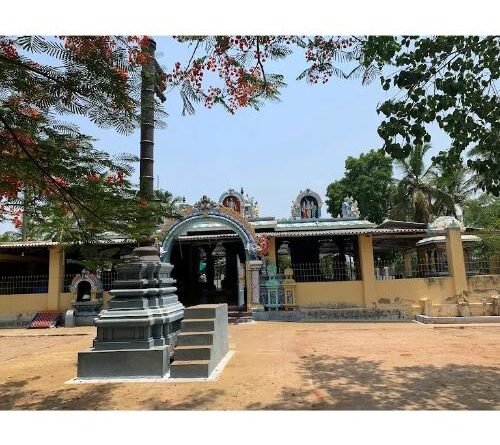
The temple follows simple traditional Tamil temple architecture and reflects the style of a village shrine. The sanctum (garbhagriha) houses the idol of Swarnalakshmi Narasimha and is built in a traditional manner. The temple has a simple structure with a small mandapam for worship and rituals. The atmosphere inside the temple is calm and devotional, encouraging spiritual focus. The sacred tree (Sthalavriksha) of the temple is the Pavazhamalli tree. Though the temple is not a large architectural complex, it holds great spiritual significance for devotees.
Sthalapurana
The history of the temple is connected with a divine discovery that led to its establishment. Many years ago, a farmer found the idol of Goddess Amritavalli Thayar while ploughing his agricultural field. Considering it a divine sign, the villagers installed the idol in a small shrine and began regular worship. After some time, the goddess appeared in the dreams of devotees and instructed that she should not be worshipped alone and asked them to install Lord Narasimha along with her. Following this divine message, devotees installed a Panchaloha idol of Malola Narasimha and started worshipping the divine couple together. From that time, the temple came to be known as Swarnalakshmi Narasimha Swamy Temple and gradually developed into an important place of worship in the region.
The installation of Narasimha beside Lakshmi represents the union of divine protection and prosperity. Devotees believe that worship at this temple removes financial difficulties, family problems, fear, and negative energies. Because of this divine manifestation and dream guidance, the temple is regarded as a sacred and spiritually powerful shrine.
Festivals
Important Vaishnavite festivals are celebrated in the temple with devotion and traditional rituals. Narasimha Jayanthi is the main festival of the temple and is celebrated with special poojas and prayers. Vaikunta Ekadasi is also observed with great devotion by devotees. Special Lakshmi poojas are performed for prosperity and well-being, and regular monthly and annual rituals are conducted for the deity. During festival days, many devotees visit the temple to seek divine blessings and participate in the celebrations.