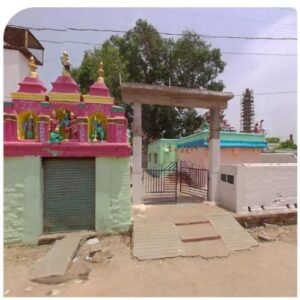



Sri Anjaneya Swamy Temple Chowlur,Andhra Pradesh
Sri Anjaneya Swamy Temple is located in Chowlur village near Hindupur in Sri Sathya Sai District (formerly Anantapur District) of Andhra Pradesh. Situated close to the Andhra Pradesh–Karnataka border, the temple is a well-known pilgrimage destination for devotees from both states. The peaceful rural surroundings and long-standing spiritual significance make it an important center of Hanuman worship in the Rayalaseema region.
Temple Age
The temple is believed to be several centuries old and is traditionally associated with the Vijayanagara period. Based on local traditions and its connection with Sri Vyasaraja Tirtha, many devotees believe that the shrine has existed for around 500 years or more.
Deity Details
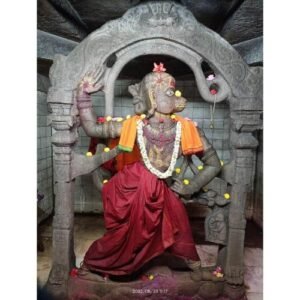
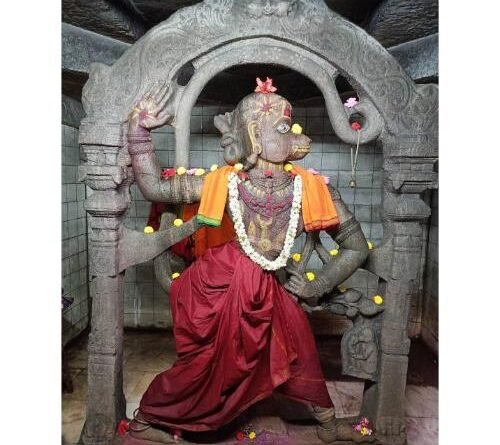
The presiding deity of the temple is Sri Anjaneya Swamy, a divine manifestation of Lord Hanuman who symbolizes devotion, strength, courage, wisdom, and unwavering faith. Devotees worship him as a protector who removes obstacles, grants success in righteous endeavors, provides physical and mental strength, and blesses devotees with peace and prosperity. The deity is revered as a powerful guardian of the region and a source of spiritual inspiration.
Architecture
The temple follows the traditional South Indian style of architecture. The sanctum sanctorum houses an ancient stone idol of Sri Anjaneya Swamy, which forms the spiritual center of the temple. The idol displays characteristics that devotees associate with Hanuman vigrahas consecrated by Sri Vyasaraja Tirtha. The temple complex is simple yet spiritually vibrant, emphasizing devotion rather than elaborate ornamentation. The peaceful atmosphere and sacred surroundings create an ideal environment for prayer and meditation.
History
Sri Anjaneya Swamy Temple at Chowlur holds an important place among the Hanuman temples associated with the Madhwa tradition. According to long-standing local tradition, the temple is one of the shrines connected to Sri Vyasaraja Tirtha, the great philosopher, saint, and Rajaguru of the Vijayanagara Empire. Sri Vyasaraja is traditionally believed to have consecrated numerous Hanuman idols across South India to strengthen devotion and uphold dharma. Over the centuries, the temple became a prominent center of worship and attracted devotees from different parts of Andhra Pradesh and Karnataka.
Sthalapurana
According to the most widely accepted temple tradition, Sri Vyasaraja Tirtha visited the Chowlur region during his travels across South India. While spreading the teachings of Dvaita Vedanta and promoting devotion to Lord Hanuman, he recognized the spiritual importance of this place and consecrated the idol of Sri Anjaneya Swamy. He is believed to have established regular worship at the shrine and blessed the region through the divine presence of Hanuman.
Devotees believe that Sri Anjaneya Swamy has protected Chowlur and the surrounding villages for centuries. The deity is regarded as a powerful remover of obstacles who grants courage, confidence, and success to sincere devotees. Many people visit the temple seeking relief from difficulties and strength to overcome life’s challenges.
Another oral tradition attributes the temple to King Janamejaya, the great-grandson of Arjuna from the Mahabharata. However, no historical or archaeological evidence has been found to verify this claim. Therefore, the association with Sri Vyasaraja Tirtha is generally considered the stronger and more widely accepted tradition connected with the temple.
Festivals
Hanuman Jayanthi is the most important festival celebrated at the temple. Sri Rama Navami is also observed with devotion. Saturdays throughout the year attract large numbers of devotees, and special worship is conducted during the auspicious months of Shravana and Margashira.